
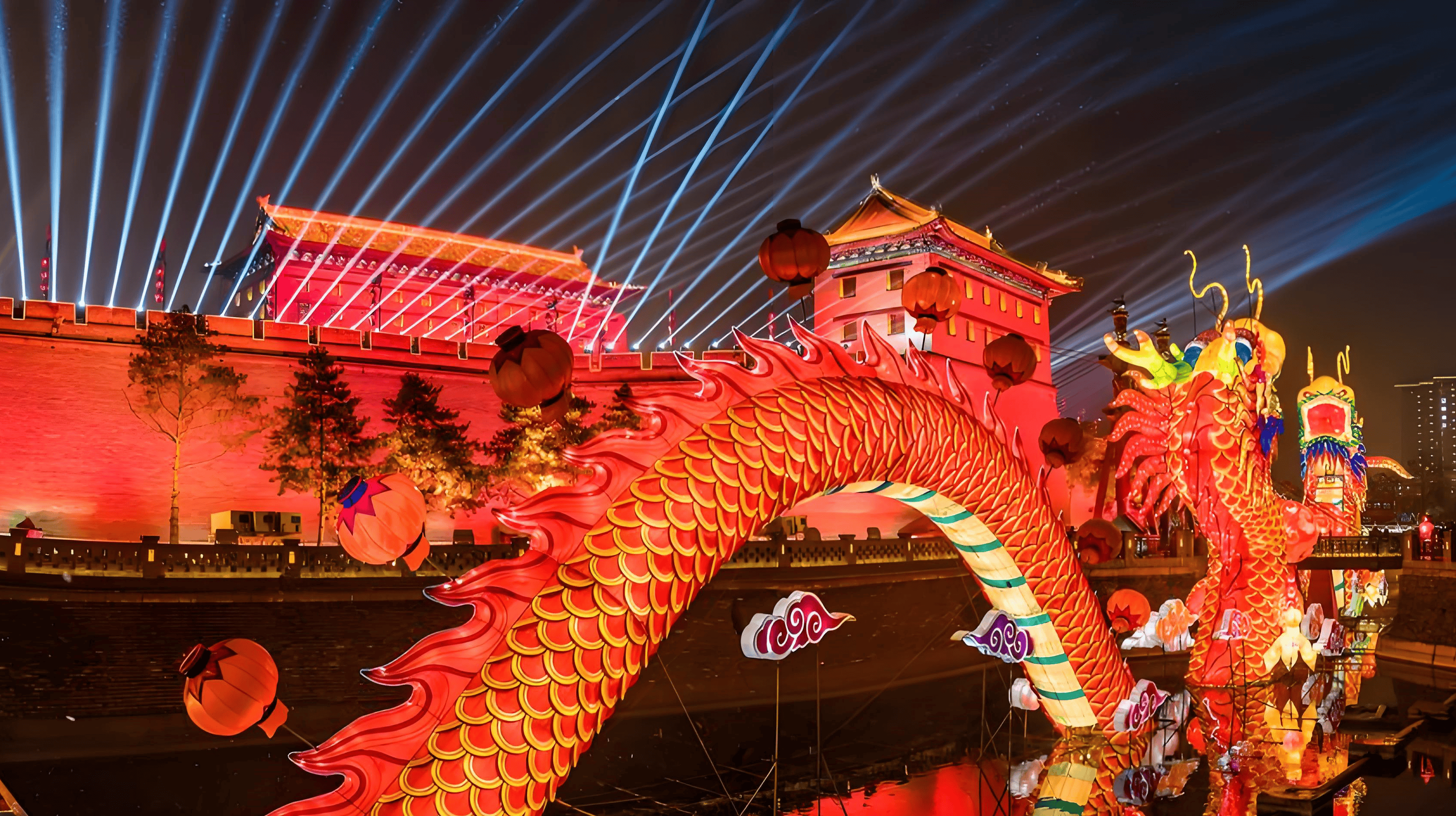
Spring Festival - The World's Biggest Party
If you've never experienced Spring Festival firsthand, it's hard to explain just how massive it is. We're not talking about a single night of fireworks and champagne. This is a 15-day festival that triggers the largest annual human migration on the planet - literally billions of trips as people travel home to be with family.
And unlike our January 1st celebration that feels kind of arbitrary, Spring Festival has this weight of 4,000 years of mythology, superstition, and tradition behind it. There's a reason for every dumpling, every firecracker, every red envelope. Nothing is random.
The Monster That Started It All
Here's where it gets interesting. The origins of Spring Festival are tied to a legend about a monster called Nian (which literally means "year" in Chinese - already kind of mind-blowing).
According to the story, Nian was this terrifying beast that lived in the mountains or under the sea (stories vary), and every winter, when food was scarce, it would come down to villages and eat crops, livestock, and occasionally people. Especially kids. So yeah, not a friendly neighbor.
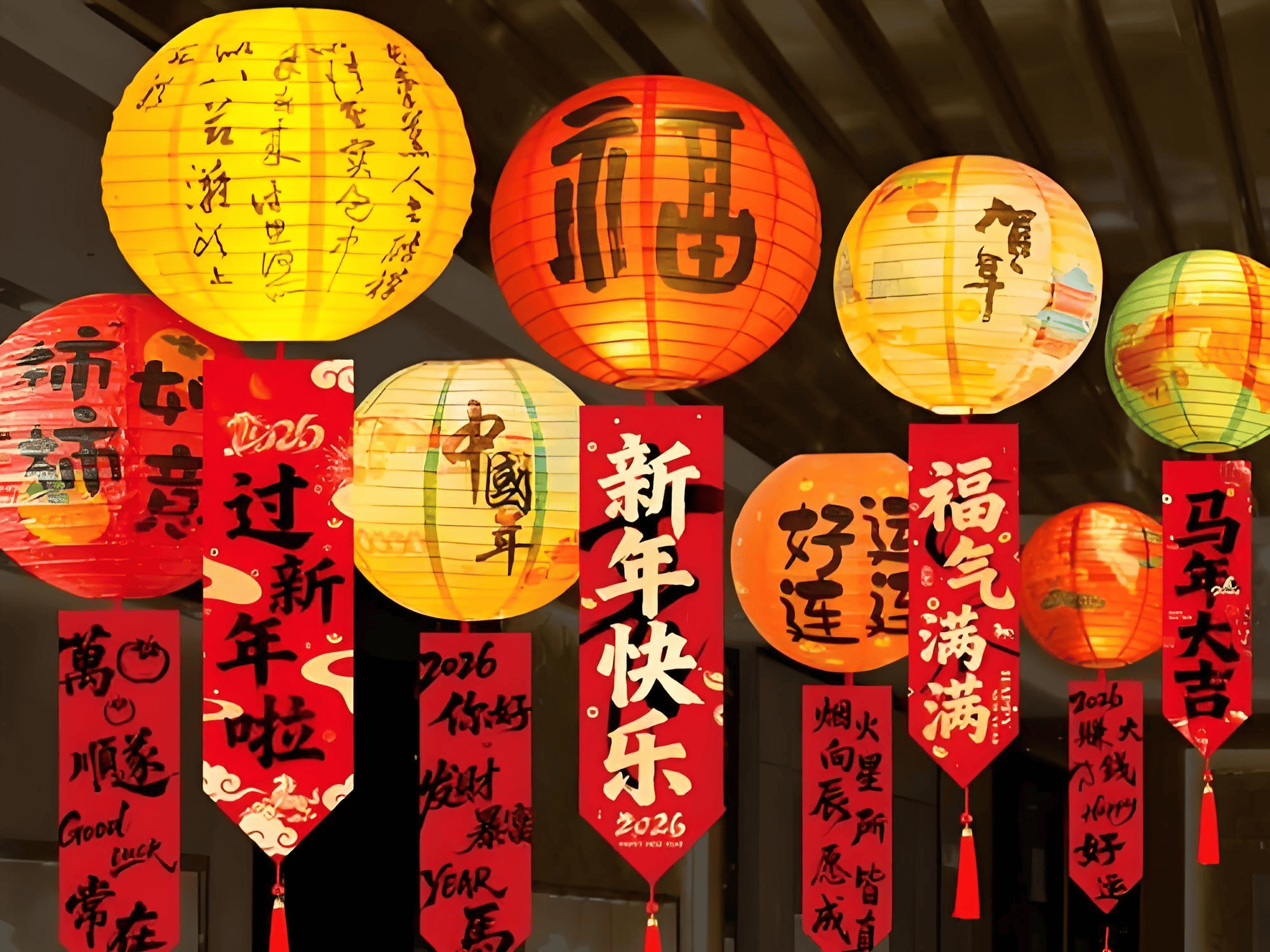
But people figured out that Nian was afraid of three things: the color red, loud noises, and bright lights. So what did they do? They started decorating everything in red, setting off firecrackers, and lighting lanterns. And boom - that's basically Spring Festival in a nutshell. All those traditions we see today? They're literally about scaring away a mythical monster.
Whether or not you believe the legend, it's pretty cool that these practices have survived thousands of years.
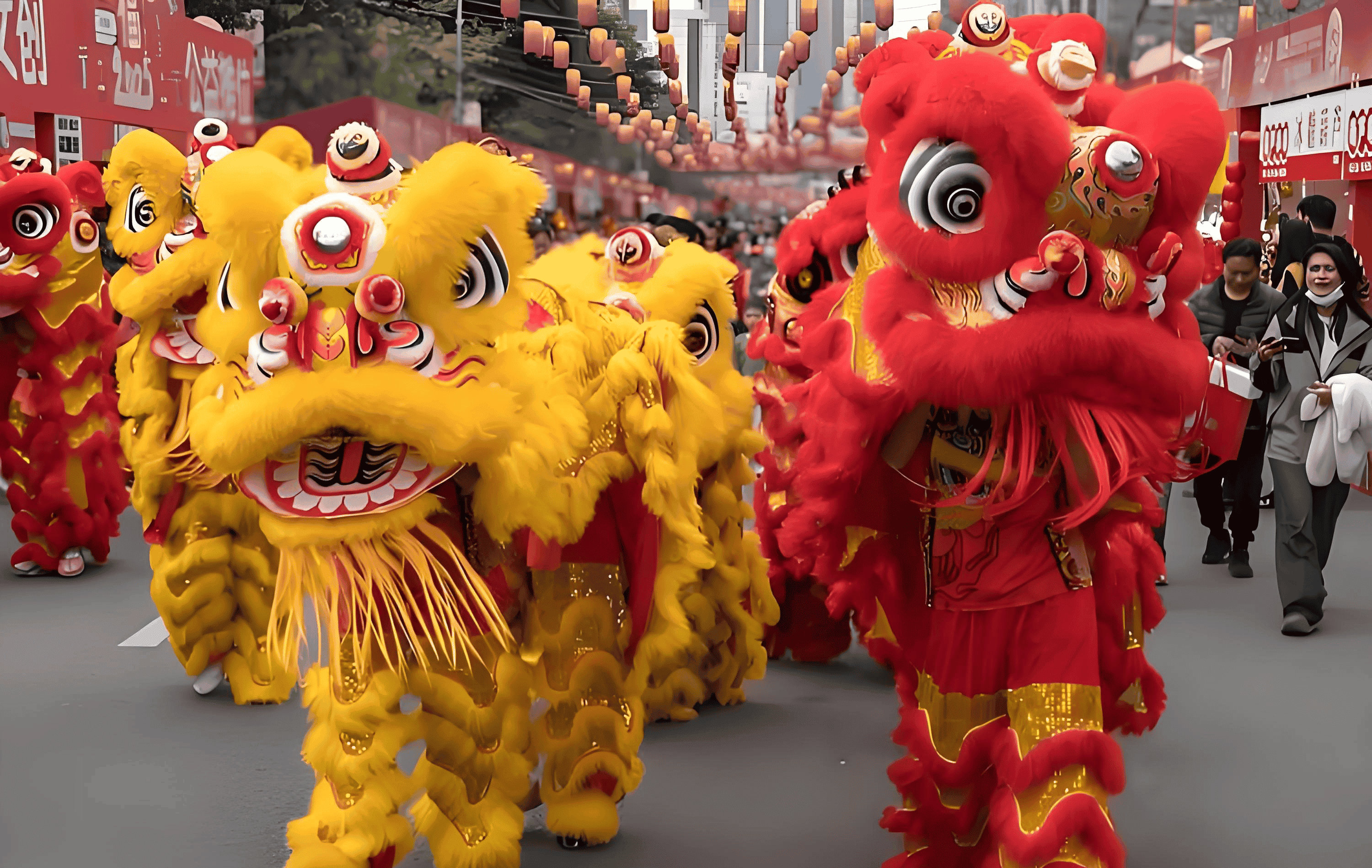
Why It Moves Around (And Why It's Called Spring Festival)
One thing that confuses people: Spring Festival is never on the same date. It bounces around between late January and mid-February. That's because it follows the lunar calendar, not the solar one we use in the West.
In China, it's officially called "Spring Festival" or "Chun Jie" (春节), which seems weird because it's often still freezing when it happens. But here's the thing - it's timed to the second new moon after the winter solstice. In traditional agricultural terms, this marked the end of winter and the beginning of the new planting season. Spring was coming, even if you couldn't feel it yet.
The Chinese calendar is seriously ancient - it dates back to at least the 14th century BCE, during the Shang Dynasty. That's over 3,500 years ago. They were tracking moon phases and seasons while most of the world was still figuring out basic farming.
The Evolution: From Farming Ritual to National Holiday
Early celebrations of Spring Festival were all about agriculture. This was the time when farmers could finally rest after the harvest, before spring planting began. They'd make offerings to gods and ancestors, asking for good weather and bountiful crops in the coming year.
During the Han Dynasty (206 BCE - 220 CE), the celebration became more formalized. The government set official dates, and it evolved into a time for settling debts and making a fresh start - kind of like our New Year's resolutions, but more legally binding. If you owed someone money, you were expected to pay up before the New Year.
The Tang Dynasty (618-907 CE) is when things started getting really festive. This is when the tradition of setting off firecrackers really took off. Originally, people would actually burn bamboo, which explodes with a loud crack when heated. Later, when gunpowder was invented in China (of course), proper firecrackers became the norm. The noise level has been escalating ever since.
Red Envelopes: The Gift Everyone Actually Wants
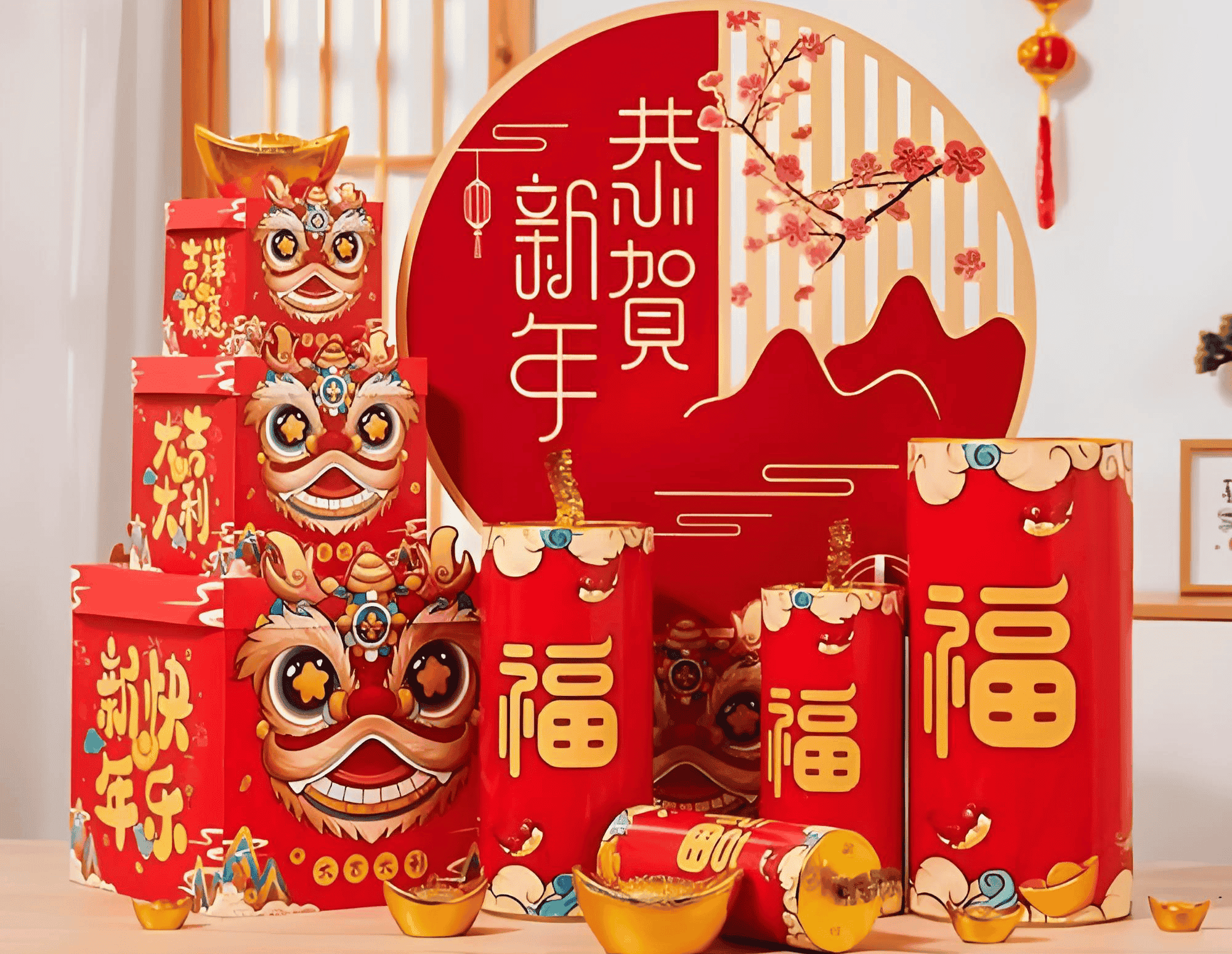
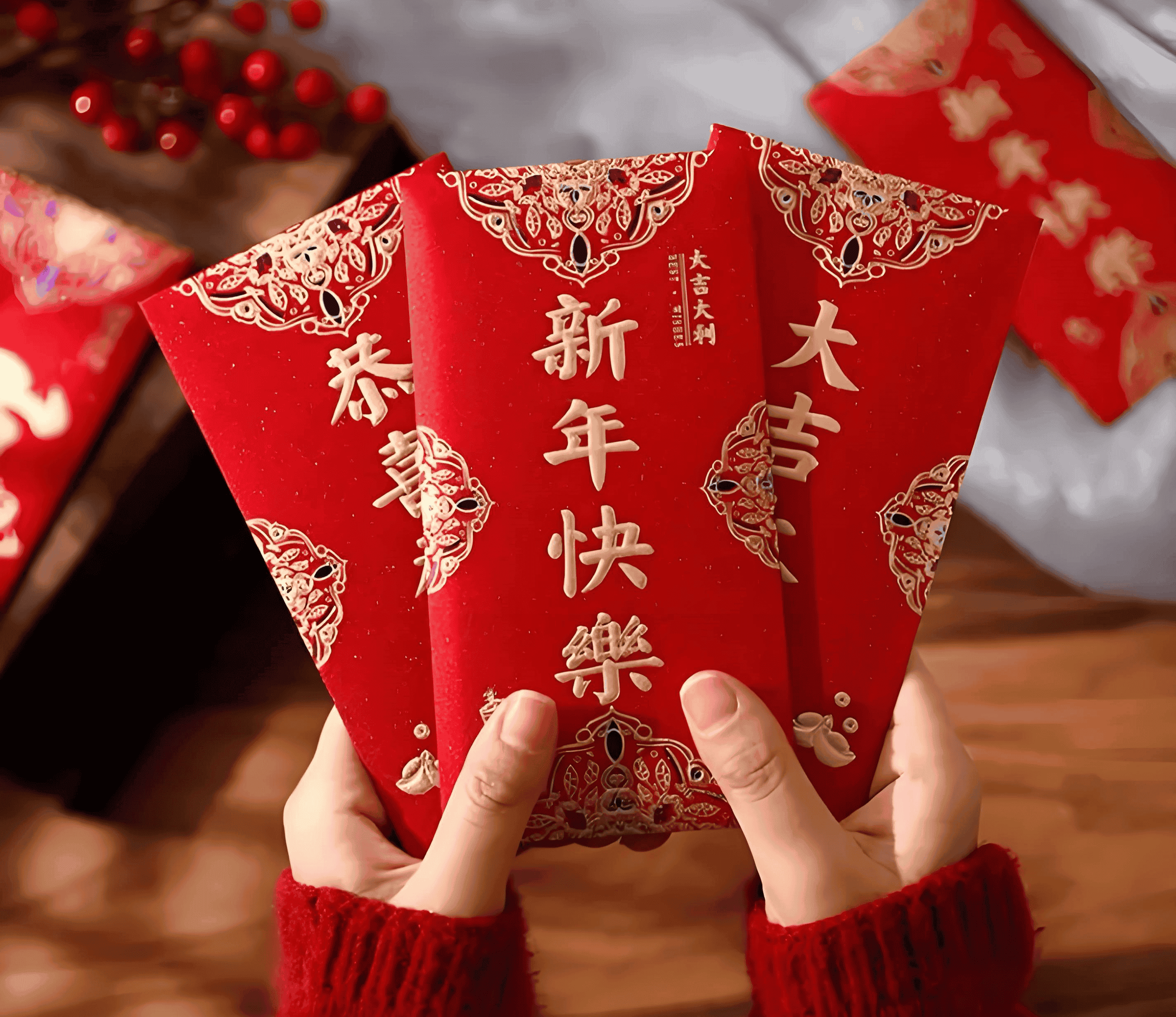
Let's talk about hongbao - those red envelopes filled with money. Kids love them, adults love them, everyone loves them.
The tradition supposedly started during the Qing Dynasty (1644-1912). There's this story about a village terrorized by a demon called Sui, who would touch children's heads on New Year's Eve and make them sick. One year, parents gave their kid coins wrapped in red paper to play with, and when the demon showed up, the light from the coins scared it away.
Probably not how it actually happened, but that's the legend. Today, giving red envelopes is serious business. There's etiquette about who gives to whom, how much should be inside, and what numbers to avoid (never put 4 of anything - the word for "four" sounds like "death" in Chinese).
And in the past decade, it's gone completely digital. WeChat and Alipay have digital red envelope features where people send money electronically, and there are even virtual "red envelope rains" where thousands of people compete to grab digital cash. It's turned into this weird blend of ancient tradition and modern technology.
The Zodiac Animals: A 12-Year Story Cycle
You probably know about the Chinese zodiac - those 12 animals that cycle every year. But the origin story is actually pretty entertaining.
The legend goes that the Jade Emperor decided to hold a race to determine which animals would be in the zodiac. The first 12 to cross a river would get the honor. The rat, being clever but small, hitched a ride on the ox's back and jumped off at the last second to win first place. That's why the rat is first in the cycle and the ox is second - and supposedly why cats and rats are enemies (the rat pushed the cat into the river during the race, so cats aren't even in the zodiac).
Is this historically accurate? Absolutely not. But it's a great story, and people take their zodiac signs seriously. Your birth year animal is supposed to influence your personality, your luck, your compatibility with other people. When your zodiac year comes around (every 12 years), it's considered potentially unlucky, so you're supposed to wear red underwear for protection. I'm not making this up.
The Food: Everything Means Something
Spring Festival food isn't just about eating well - every dish is loaded with symbolism and puns, because Chinese culture loves a good pun.
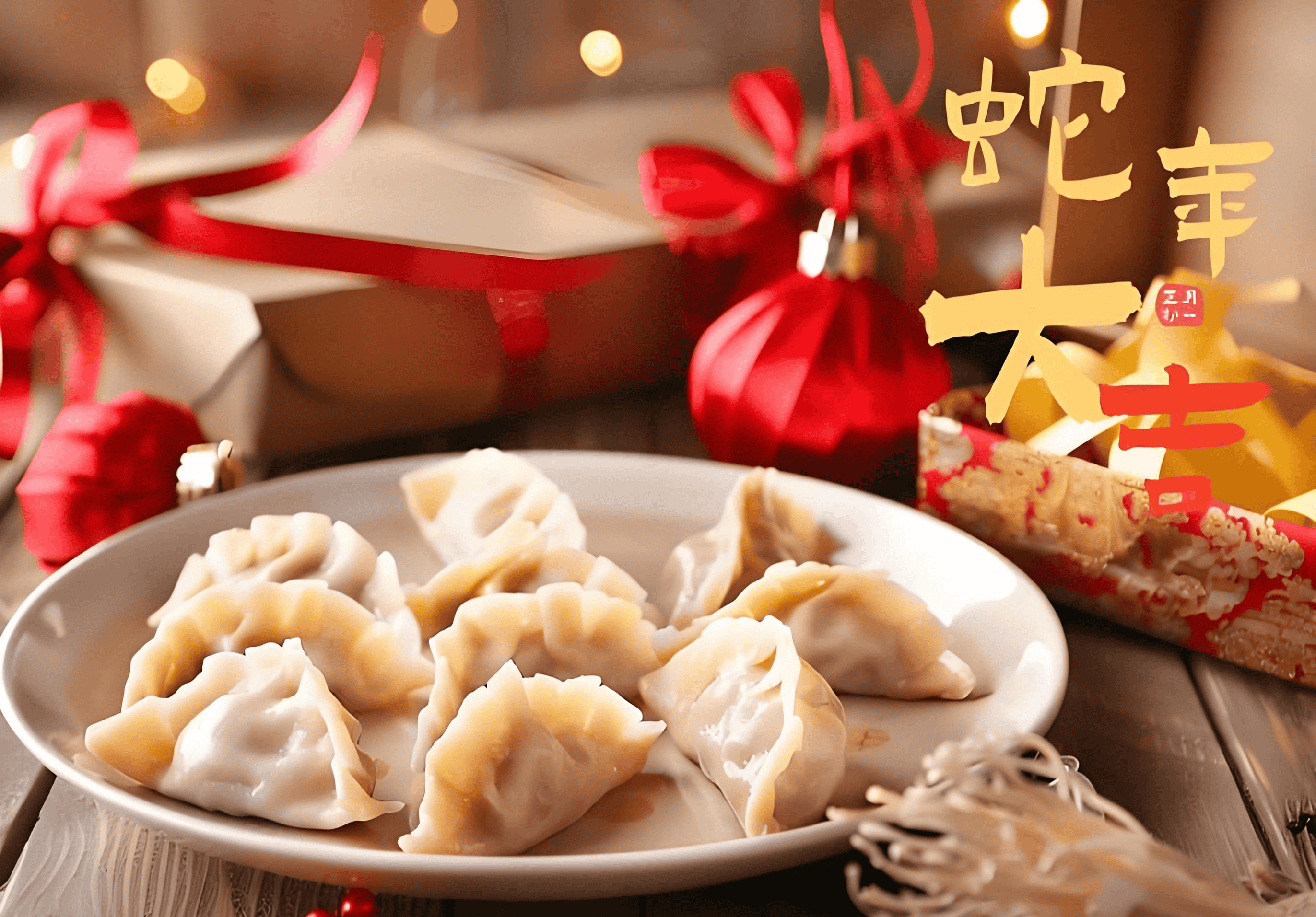
Dumplings (jiaozi) are shaped like ancient Chinese gold ingots, so eating them is supposed to bring wealth. The word also sounds like "exchange" - as in exchanging the old year for the new.
Fish is essential because the word for fish (yu) sounds like "surplus" or "abundance." You're supposed to leave some fish uneaten to symbolize having abundance left over for the next year.
Spring rolls look like gold bars. Tangerines and oranges are everywhere because their names sound like "luck" and "wealth."
Nian gao (sticky rice cake) is a must because the name sounds like "year high" - meaning higher income, higher position, better everything in the coming year.
Basically, if you're having a traditional Spring Festival dinner, you're eating your way through a series of puns and wishes for prosperity. It's actually pretty brilliant.
The Modern Celebration: Tradition Meets Technology
Today's Spring Festival is this fascinating collision of ancient tradition and modern life.
The "chunyun" (春运) travel period - the 40 days around Spring Festival - sees nearly 3 billion trips. Three billion. That's more than the entire population of Africa and Europe combined, all trying to get home at the same time. High-speed trains are packed, flights are impossible to book, and highways turn into parking lots. It's logistically insane, but people do it because being with family for New Year is non-negotiable.
Cities that are normally packed become ghost towns as migrant workers head home. Beijing, Shanghai, Guangzhou - these megacities go quiet for a week. Then, on New Year's Eve, it's like the entire country explodes in red and gold. Fireworks go off everywhere, simultaneously, for hours. The amount of fireworks set off during Spring Festival is genuinely difficult to comprehend unless you've witnessed it.
Though recently, many cities have banned or restricted fireworks due to air pollution concerns. This has been controversial - people feel like you're taking away a core part of the celebration. But smog levels during the festival were getting genuinely dangerous in some cities.
The CCTV New Year's Gala: An Actual Phenomenon
I need to mention the CCTV Spring Festival Gala, because it's one of the most-watched television events on the planet, and most Westerners have no idea it exists.
It's been running since 1983 - a 4-5 hour variety show featuring music, dance, comedy sketches, acrobatics, everything. Families gather around the TV on New Year's Eve and watch it together. We're talking about an audience of 700-800 million people. The Super Bowl gets maybe 100 million viewers.
Is it always amazing television? No. Is it sometimes painfully nationalistic and propagandistic? Yes. Do people complain about it every year? Absolutely. Do they keep watching anyway? Of course they do. It's tradition.
What It Actually Feels Like
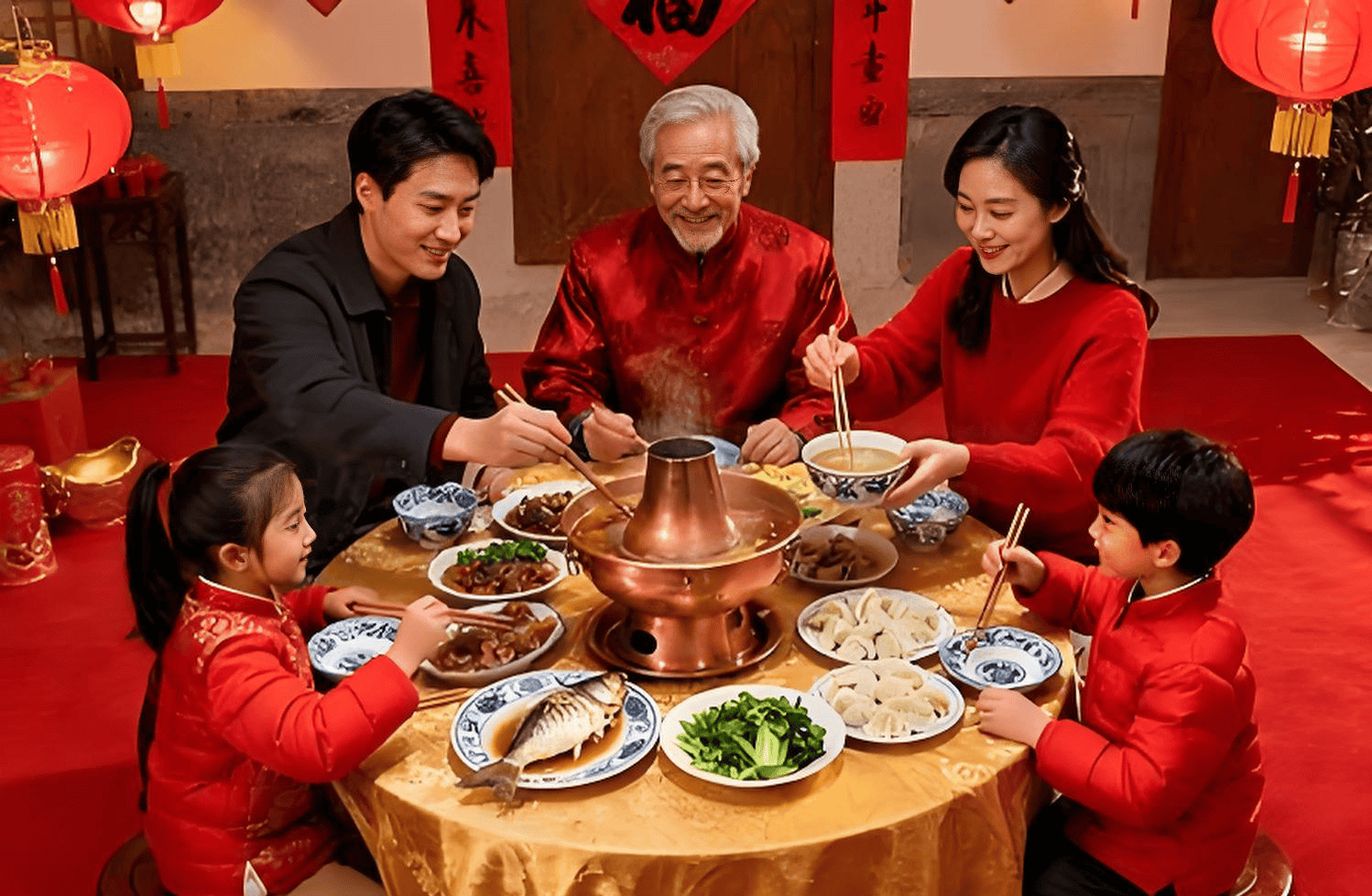
Statistics don't really capture what Spring Festival feels like if you're there for it. Everything stops. Businesses close for a week or more. Streets that are usually chaotic go silent, then erupt with noise at specific times. The color red is absolutely everywhere - you can't escape it.
There's this mix of stress (travel, family obligations, the pressure to give appropriately-sized red envelopes) and genuine joy. Kids running around with new clothes and pockets full of cash. Adults finally getting a break from work. Everyone eating too much and complaining about eating too much.
And underneath it all, there's this sense of continuity. Your grandparents did this, their grandparents did this, going back thousands of years. The details change - digital red envelopes, high-speed trains instead of walking - but the core is the same. Family, food, fresh starts, and scaring away monsters with loud noises and bright colors.
Why It Matters Beyond China
Spring Festival isn't just celebrated in China anymore. Anywhere with a significant Chinese diaspora - Singapore, Malaysia, Indonesia, Vietnam, Thailand, and increasingly Western cities like San Francisco, New York, London, Sydney - marks the occasion.
In Singapore, it's an official public holiday. In San Francisco's Chinatown, they've been doing a parade since 1860. Major cities worldwide have adopted Lunar New Year celebrations, partly out of respect for their Chinese communities and partly because, honestly, it's a spectacular festival.
As China's global influence grows, more people are becoming aware of and participating in Spring Festival, even if they have no Chinese heritage. It's not about being Chinese - it's about being part of one of humanity's oldest continuous cultural traditions.
Gong Xi Fa Cai from the team at HistAI (that's how you wish someone a prosperous new year, by the way).
Curious about other cultural celebrations and their hidden histories? We've got you covered at histai.net - bringing you the stories that textbooks skip.