
The Insane Journey of Apple
Let me tell you about two guys who built computers in a garage in 1976. One was a college dropout obsessed with design. The other was a brilliant engineer who just wanted to make cool stuff. Together, they created Apple.
Today, Apple is worth over $3 trillion. They sell phones that cost more than some people's monthly rent. They have retail stores designed like temples. People camp out overnight to buy their products. How did we get here?
It Started in a Garage (Like Every Good Tech Story)
Steve Jobs and Steve Wozniak met through a mutual friend in 1971. Wozniak was the technical genius - he could build anything. Jobs was the visionary - he knew what people wanted before they did. Both were college dropouts hanging around Silicon Valley's early tech scene.
In 1976, Wozniak built the Apple I - essentially a circuit board you had to connect to your own keyboard and monitor. Jobs convinced him they should sell it. They built 200 units in Jobs' parents' garage, selling them for $666.66 each. That pricing wasn't some satanic message - Wozniak just liked repeating digits.
The Apple I was for hobbyists. But the Apple II, launched in 1977, was for everyone. It had a plastic case, color graphics, and you could actually use it out of the box. It became one of the first mass-market personal computers. By 1980, Apple had gone public, making Jobs a multimillionaire at 25.
Not bad for a garage startup.
The Mac That Changed Computing
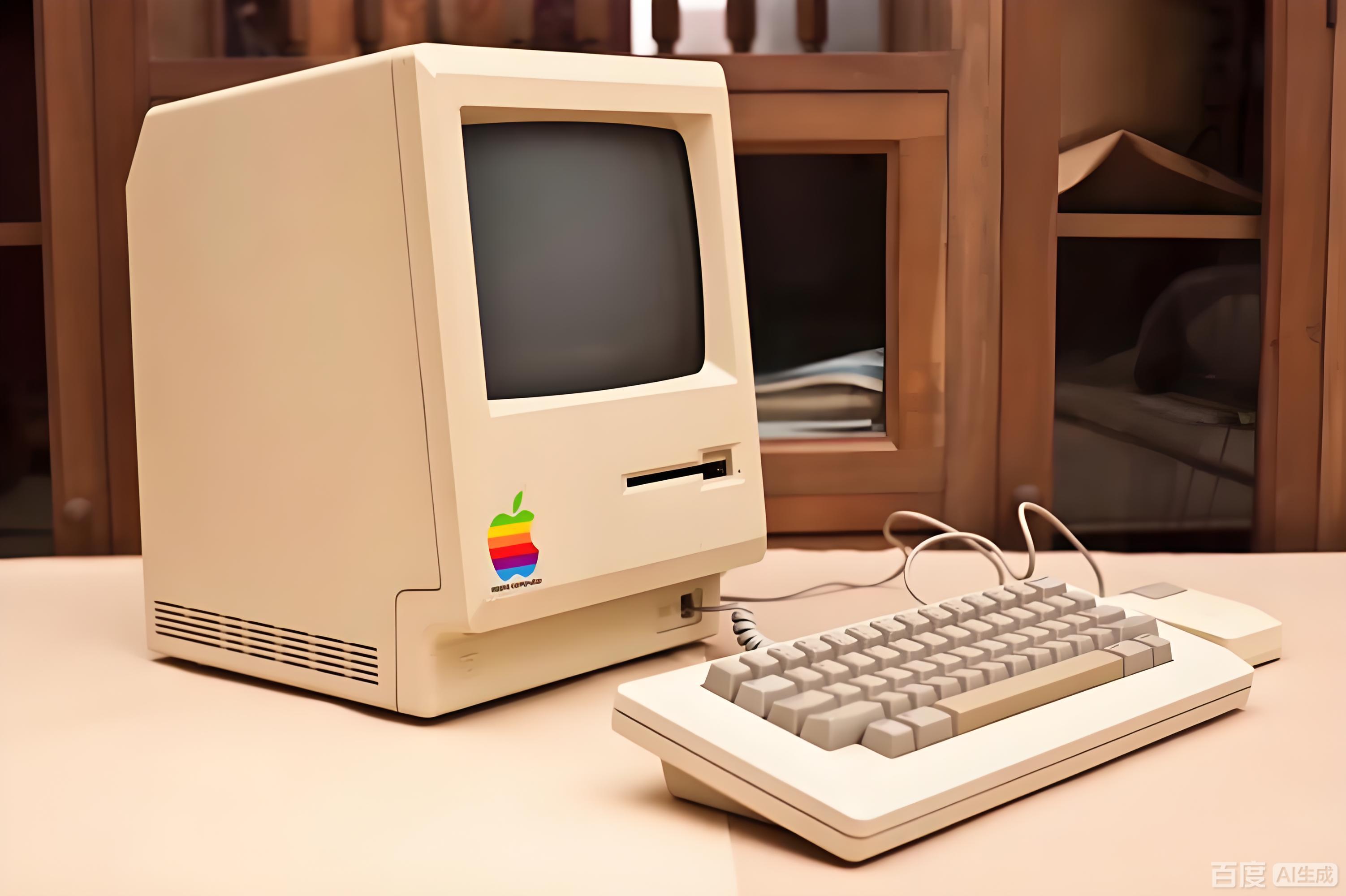
In 1984, Apple launched the Macintosh with a Super Bowl ad directed by Ridley Scott. The commercial showed a woman throwing a hammer at Big Brother on a screen, with the tagline "1984 won't be like 1984." It was brilliant, dramatic, and very Steve Jobs.
The Mac introduced the graphical user interface (GUI) to regular people - windows, icons, a mouse you could point and click. Before this, computers required typing commands. The Mac made computing visual and intuitive. Microsoft would later "borrow" this concept extensively for Windows.
But here's the thing nobody tells you: the original Mac wasn't a huge commercial success. It was underpowered, overpriced, and had limited software. Jobs' perfectionism made him difficult to work with. The board of directors got fed up.
In 1985, Steve Jobs was fired from his own company. Imagine that. You create something from nothing, and ten years later, they kick you out.
The Lost Years
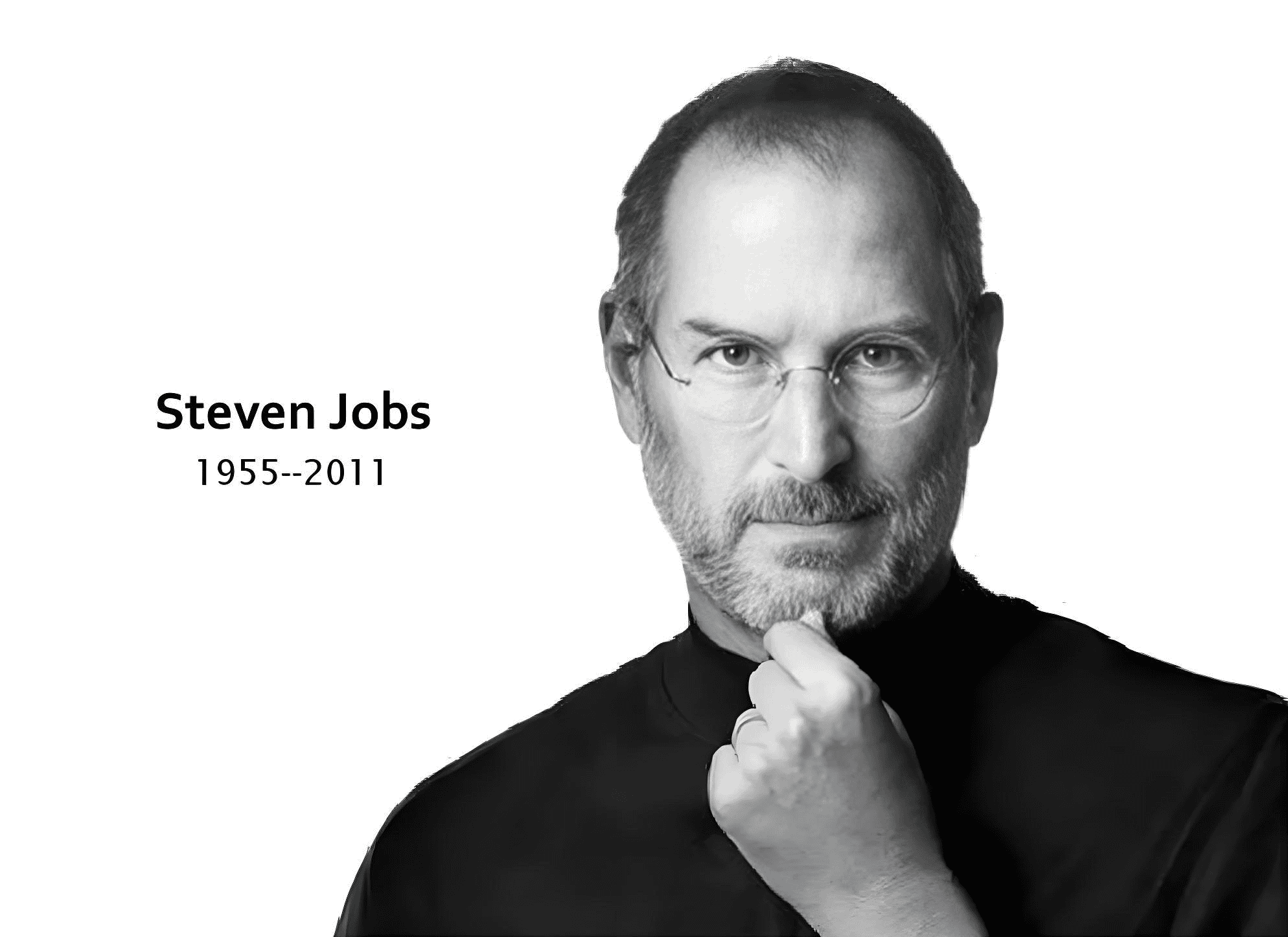
After Jobs left, Apple drifted. They made decent products but lost their edge. By the mid-1990s, Microsoft dominated with Windows. Apple's market share plummeted. They were months away from bankruptcy.
Meanwhile, Jobs founded NeXT Computer and bought a little animation studio called Pixar. NeXT's computers flopped commercially but developed incredible software. Pixar made Toy Story and revolutionized animation. Jobs was learning, growing, getting ready.
In 1997, Apple bought NeXT, bringing Jobs back as an advisor. Within months, he'd taken over as CEO. His return coincided with Microsoft investing $150 million in Apple to keep them alive. Yes, Microsoft saved Apple. Let that sink in.
Jobs' first move? Kill almost everything. Apple had too many products, all mediocre. He cut the product line down to four: two laptops and two desktops, professional and consumer. Focus or die.
The iRevolution
In 1998, Apple launched the iMac - a translucent, colorful, all-in-one computer that looked like candy. It was playful, approachable, totally different from the beige boxes dominating offices. It saved the company.
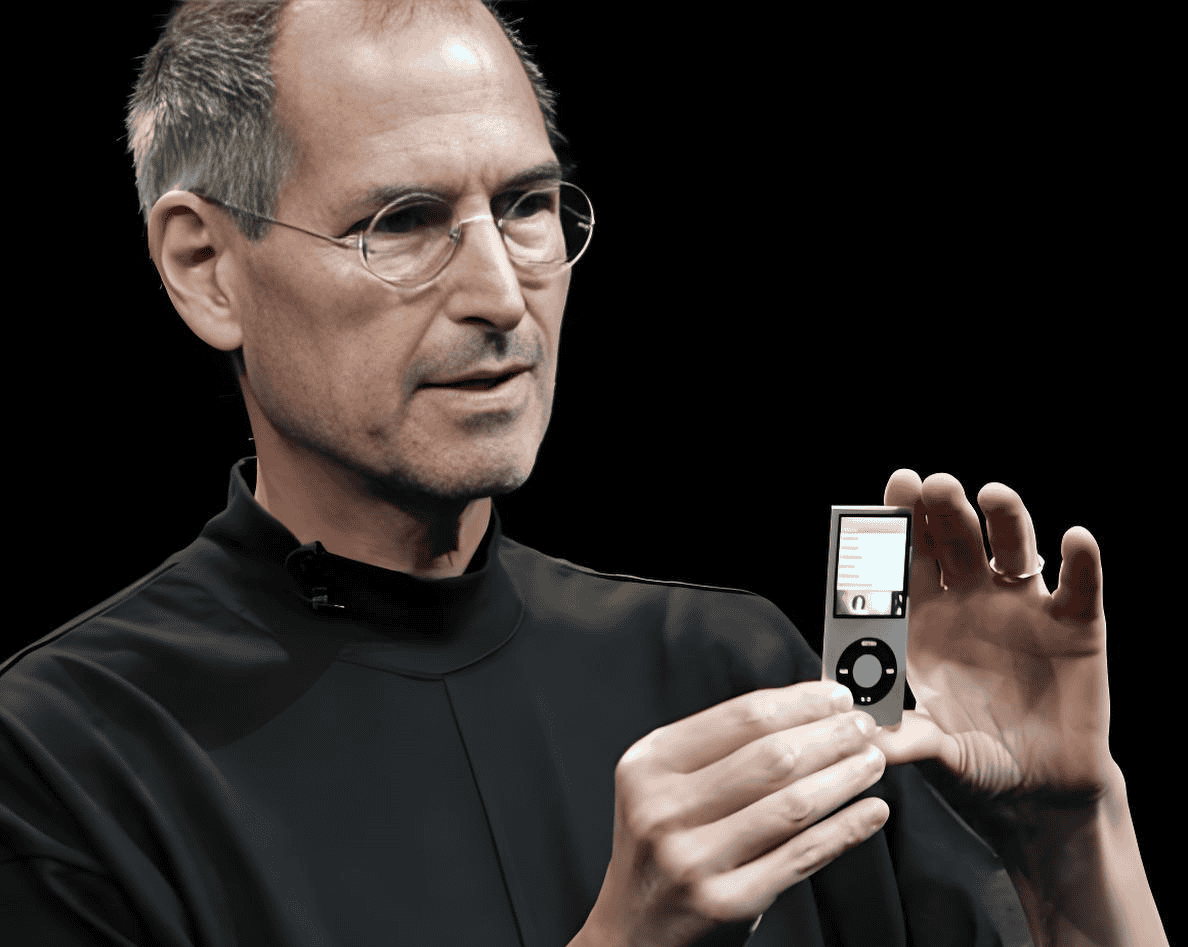
But the real revolution started in 2001 with the iPod. MP3 players existed, but they were clunky and confusing. The iPod was elegant, with a click wheel interface that made sense instantly. Jobs' pitch was perfect: "1,000 songs in your pocket."
Then came iTunes, the iTunes Store, and suddenly Apple wasn't just selling devices - they owned the entire music ecosystem. They convinced record labels to sell individual songs for 99 cents, which seemed impossible at the time. The iPod didn't just sell well. It became cultural. Those white earbuds were everywhere.
The Phone That Changed Everything
In 2007, Steve Jobs walked on stage and said: "Today, Apple is going to reinvent the phone."
Every tech company tried smartphones before. They all sucked - tiny keyboards, styluses, complicated menus. Jobs showed a device with one button and a giant touchscreen. No keyboard. No stylus. Just your finger, swiping through apps.
People laughed. Physical keyboards were essential, everyone knew that. BlackBerry dominated business. Nokia owned the consumer market. Why would anyone want to type on glass?
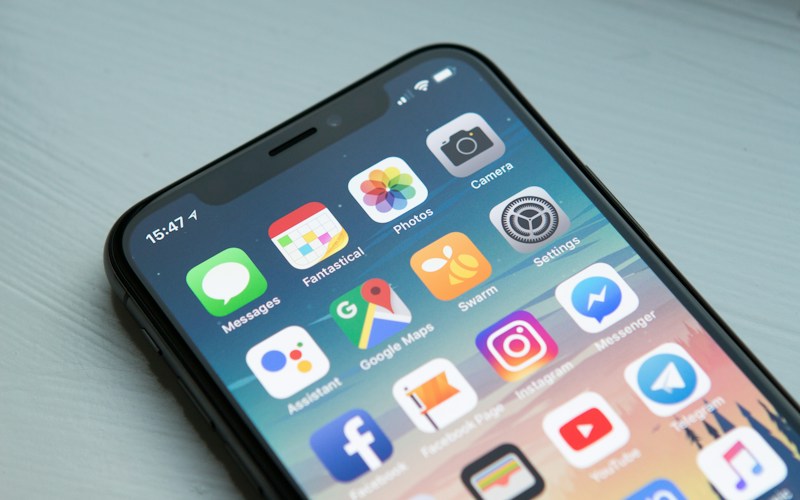
Turns out, everyone. The iPhone didn't just compete with phones - it replaced cameras, music players, GPS devices, portable game consoles. It became the most successful product in history. Within a few years, the entire phone industry copied Apple's design.
The App Store, launched in 2008, created a completely new economy. Developers could build anything and sell it globally. Angry Birds, Instagram, Uber - none of these would exist without the iPhone's platform. Apple had created not just a product but an ecosystem.
The Post-Jobs Era
Steve Jobs died in 2011 from pancreatic cancer. He was 56. The outpouring of grief was remarkable - people who'd never met him left flowers at Apple Stores worldwide. He'd become more than a CEO. He was an icon.
Everyone predicted Apple would fail without Jobs. His successor, Tim Cook, was a supply chain guy, not a visionary. How could he possibly continue the magic?
Except Cook didn't try to be Jobs. He focused on what he did best: operations, expansion, services. Under Cook, Apple became the first company worth $1 trillion, then $2 trillion, then $3 trillion. The Apple Watch became the world's best-selling watch. AirPods dominated wireless earbuds. Services like Apple Music and iCloud became massive revenue streams.
Cook's Apple is less flashy, more methodical. They iterate rather than revolutionize. But financially? They're printing money. The iPhone remains a cash machine. Each new model sells hundreds of millions of units.

The Apple Ecosystem Trap (And Why We Don't Mind)
Here's what Apple figured out that others didn't: it's not about individual products. It's about the ecosystem. Buy an iPhone, and suddenly you want a MacBook because they sync seamlessly. Add an iPad. Get AirPods because they connect instantly. Subscribe to iCloud, Apple Music, Apple TV+.
Before you know it, you're locked in. And switching to Android or Windows means losing that integration. Your photos won't sync. Your messages won't work. Your watch won't function.
Is it manipulative? Maybe. But it works because the experience genuinely is better when everything talks to each other. Apple's "walled garden" approach drives competitors crazy, but customers keep coming back.
What Apple Teaches Us
Looking back at Apple's 50-year journey, a few things stand out:
Design matters. Apple proved people will pay premium prices for products that look and feel beautiful. Before Apple, computers were tools. Now they're fashion statements.
Simplicity wins. The iPod had one button and a wheel. The iPhone had one button and a screen. When everyone else added features, Apple removed them.
Ecosystem beats features. Individual products can be replicated. But an entire ecosystem of hardware, software, and services working together? That's much harder to compete with.
Near-death experiences can make you stronger. Apple almost died in 1997. That crisis forced focus and clarity. Sometimes losing everything is the only way to figure out what actually matters.
Visionaries need operators. Jobs was the dreamer. But he needed people like Cook to make it work at scale. You need both.

The Future Question
Where does Apple go from here? They're working on AR glasses, self-driving cars, who knows what else. But they face challenges Jobs never did.
Regulators worldwide are targeting their App Store monopoly. Competitors have caught up in many areas. The iPhone can only be reinvented so many times. And without Jobs' reality distortion field, can they still create products people didn't know they needed?
Maybe the next revolution won't come from Apple. But count them out at your own risk. People have been predicting their demise since 1985. They keep proving everyone wrong.
From a garage to three trillion dollars. From near-bankruptcy to cultural dominance. From two guys building circuit boards to changing how billions of people communicate, work, and live.
That's not just a company history. That's one hell of a story.
Curious about more stories of innovation, failure, and comeback? Visit histai.net for the history that inspires.