
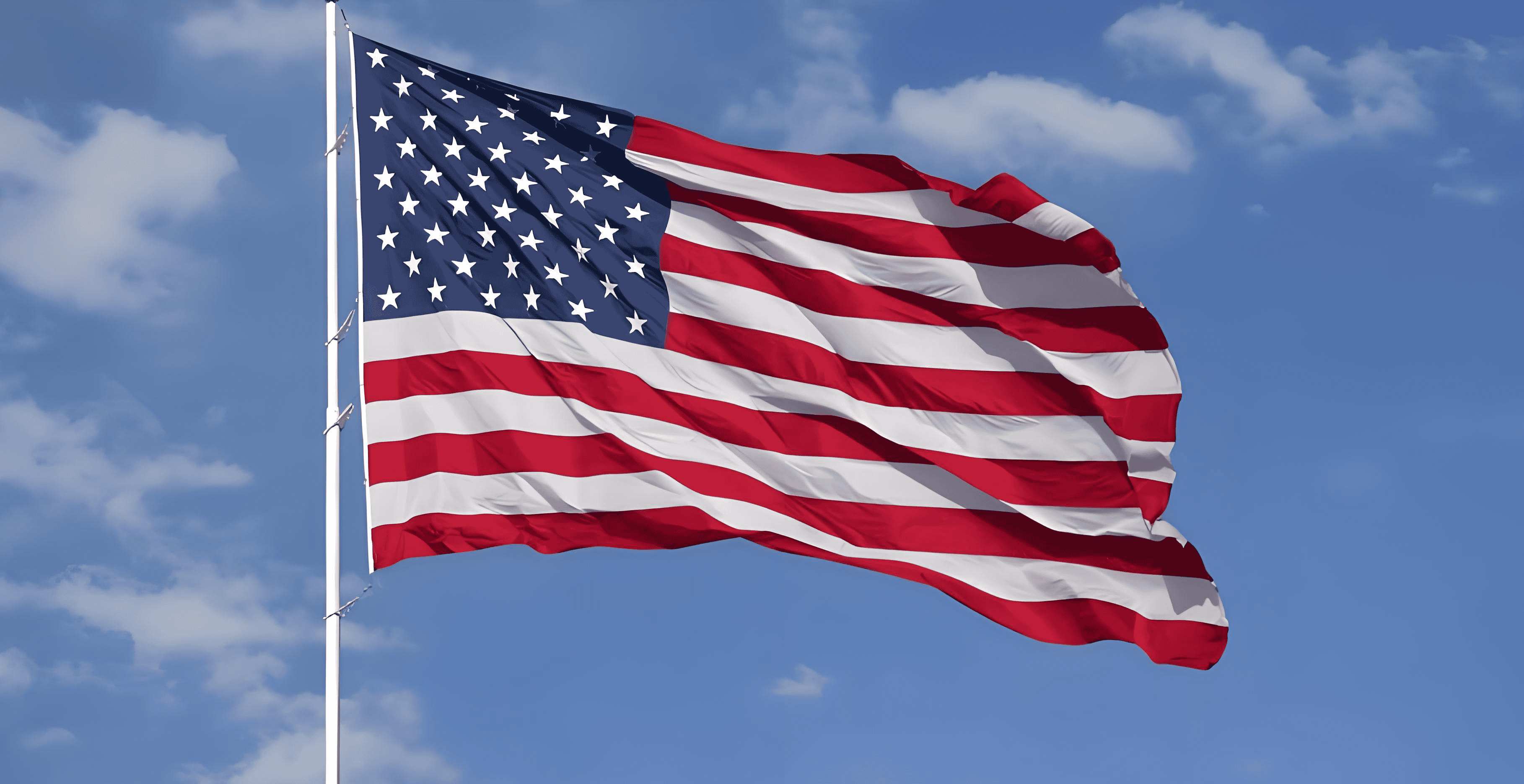
The American Revolution
Picture this: a bunch of farmers, merchants, and shopkeepers decide to go to war against the most powerful military force on the planet. They have no navy worth mentioning, no real army, and they're fighting the British Empire at the height of its power.
If this were a movie pitch, you'd laugh them out of the room. Too unrealistic. Yet somehow, against all odds, it happened. And it changed the world forever.
It Started Over Tea (Of Course)
The American Revolution didn't begin with gunfire - it began with taxes. After the French and Indian War, Britain was broke and figured the colonies should help pay the bills. Fair enough, right? Except the colonists had no representation in Parliament. They were being taxed without having any say in the matter.
The famous phrase "no taxation without representation" wasn't just a catchy slogan. It was a fundamental complaint about how democracy should work. If you're going to take our money, we should get a vote.
Britain kept pushing. The Stamp Act. The Townshend Acts. Taxes on everything from paper to paint. Each new tax made the colonists angrier. But the Tea Act of 1773 was the final straw. When ships loaded with British tea arrived in Boston Harbor, a group of colonists (some dressed as Mohawk Indians) dumped 342 chests of tea into the water.
The Boston Tea Party wasn't just about tea - it was a middle finger to British authority. Britain responded by closing Boston Harbor and sending more troops. Things escalated quickly from there.
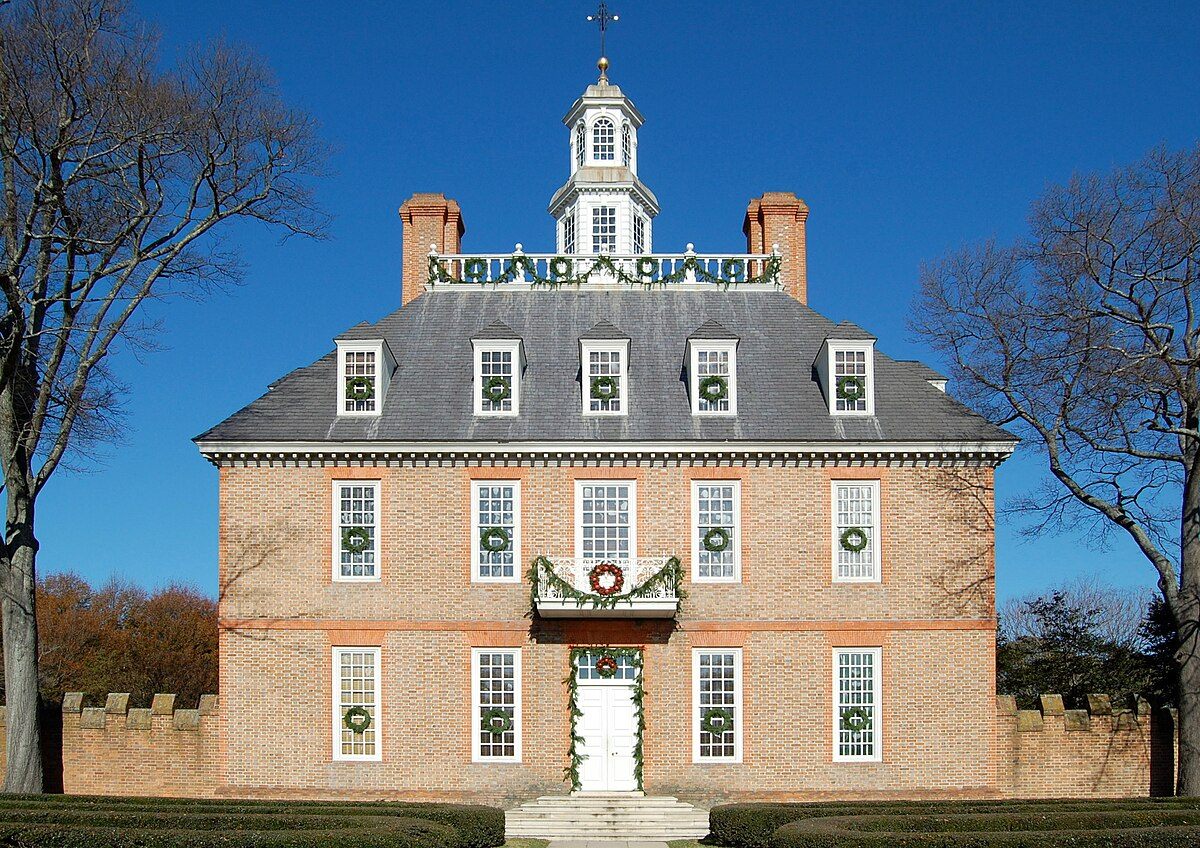
The Shot Heard Round the World
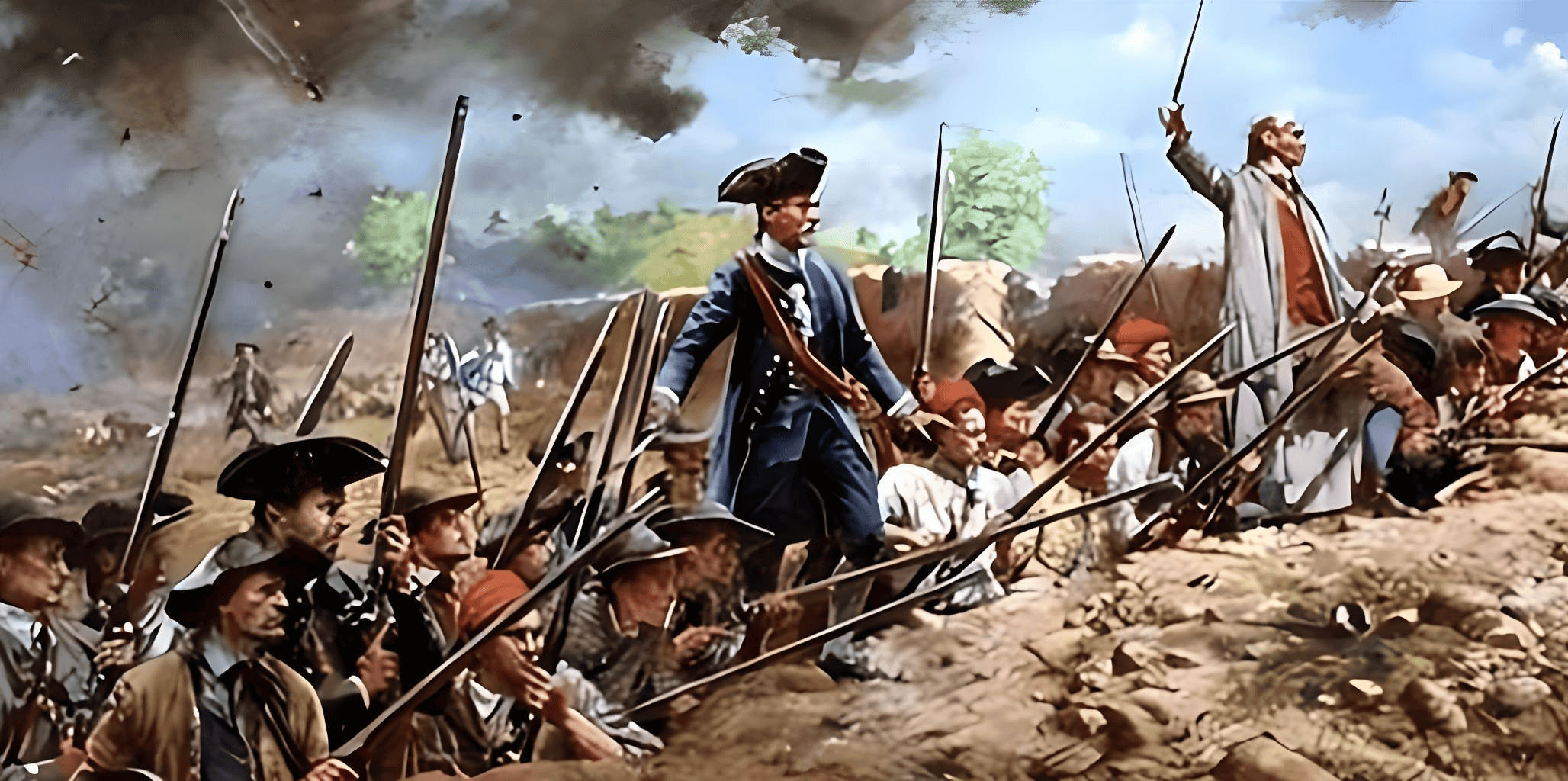
On April 19, 1775, British troops marched to Concord, Massachusetts, to seize colonial weapons. Militiamen confronted them at Lexington Green. Someone fired - historians still debate who - and suddenly, we had a war.
The colonists weren't ready for this. They didn't have a unified command. They didn't have a regular army. What they had were militia units - citizen soldiers who drilled on weekends and went back to their farms. Going up against professional British soldiers seemed insane.
But here's the thing about fighting for your home: it makes you dangerous. The British marched back to Boston under constant fire from colonists hiding behind trees, walls, and houses. It was guerrilla warfare before that term existed. The Redcoats expected a proper European-style battle. Instead, they got picked off by angry colonists who refused to fight fair.
By the time the British reached Boston, they'd suffered nearly 300 casualties. The colonists lost fewer than 100. Point made.
George Washington: The Unlikely Hero
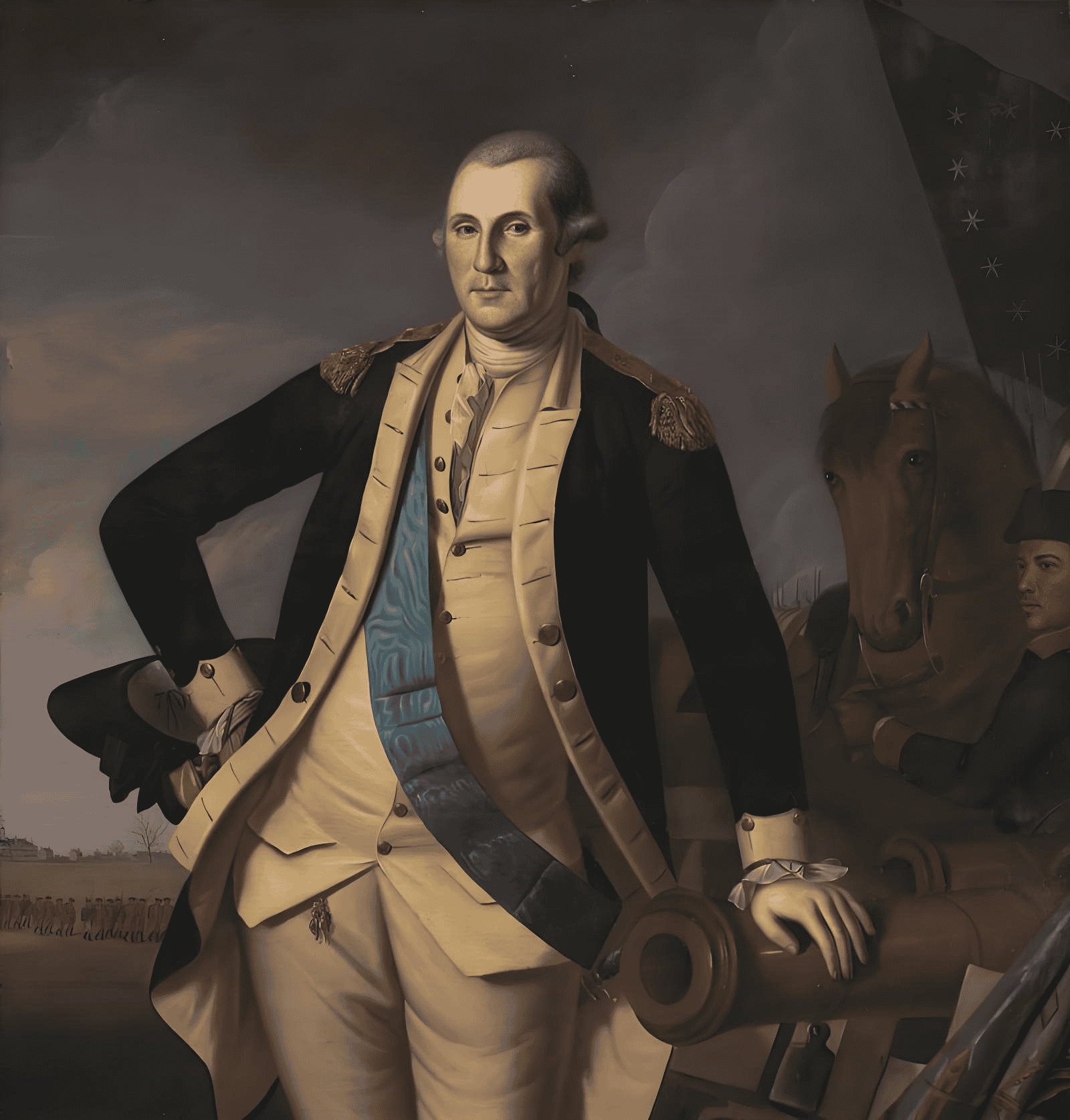
In June 1775, the Continental Congress needed a commander for their makeshift army. They picked George Washington - a Virginia plantation owner who'd done some fighting in the French and Indian War but wasn't exactly a military genius.
Washington's genius wasn't tactical brilliance. It was persistence. He understood that he didn't need to defeat the British army - he just needed to not lose. Keep the army together, avoid total destruction, make the war expensive and exhausting for Britain. Eventually, they'd give up.
This strategy meant retreating. A lot. Washington retreated across New Jersey, across Pennsylvania. His army was always on the verge of falling apart. Soldiers' enlistments expired. They had no food, no winter clothing, no pay. During the winter at Valley Forge (1777-1778), men died of cold and disease. Washington could barely keep 8,000 soldiers together.
But he kept them alive. He kept them fighting. That alone was remarkable.
The Declaration That Changed Everything
While Washington fought, Congress debated independence. Not everyone wanted to break with Britain. Many colonists still hoped for reconciliation. But after a year of war, moderates lost ground to radicals like John Adams and Thomas Jefferson.
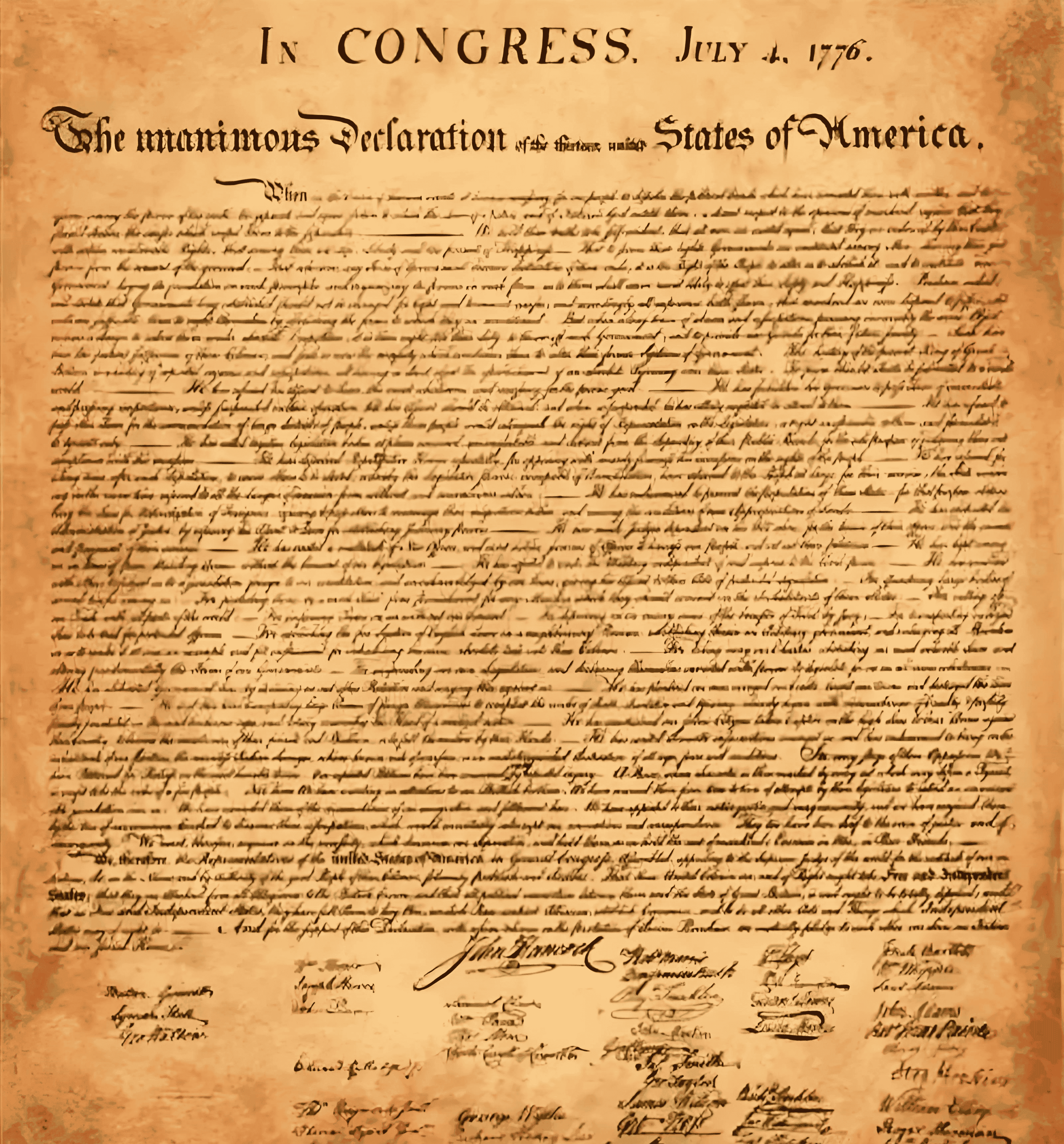
On July 4, 1776, Congress approved the Declaration of Independence. Jefferson's words were revolutionary - not just politically, but philosophically: "We hold these truths to be self-evident, that all men are created equal, that they are endowed by their Creator with certain unalienable Rights, that among these are Life, Liberty and the pursuit of Happiness."
The irony that Jefferson owned slaves while writing about equality wasn't lost on everyone, even then. But the principle he articulated - that governments derive their power from the consent of the governed - was genuinely radical. Kings ruled by divine right. Jefferson said no, people rule themselves.
This document didn't just declare independence from Britain. It declared a new way of thinking about government itself.
Turning Point: Saratoga
For the first couple years, things looked grim for the Americans. Washington kept retreating. The British captured New York and Philadelphia. The Continental Army was always on the edge of collapse.
Then came Saratoga in October 1777. British General John Burgoyne marched south from Canada, expecting to split the colonies in two. Instead, he walked into a trap. American forces surrounded him, cut off his supplies, and forced his entire army to surrender.
This wasn't just a military victory - it was a diplomatic game-changer. France had been watching, wondering if the Americans could actually win. Saratoga convinced them. In 1778, France officially allied with the United States, providing troops, money, and most importantly, a navy.
Suddenly, Britain wasn't just fighting rebellious colonists. They were fighting France, their longtime rival. Spain and the Netherlands joined in too. Britain now faced enemies on multiple continents.
Yorktown: The Final Act
By 1781, the British were exhausted. General Cornwallis retreated to Yorktown, Virginia, expecting Royal Navy ships to evacuate his troops. But the French fleet arrived first and blockaded the harbor. Washington's army and French troops surrounded Yorktown by land.
Cornwallis was trapped. After a brief siege, he surrendered his entire army - nearly 8,000 troops - on October 19, 1781. Legend says the British band played "The World Turned Upside Down" during the surrender. Whether true or not, it was fitting.
The world had turned upside down. A collection of colonies defeated the British Empire. It wasn't supposed to be possible.
Why It Matters Today
The American Revolution didn't just create a country - it proved an idea could work. Democracy. Self-governance. Rights that governments can't take away. These weren't abstract theories anymore. They were real.
The Constitution and Bill of Rights that followed established a system where power flows from the people upward, not from a king downward. It's been amended, interpreted, and argued about for over 200 years, but that fundamental structure remains.
Was it perfect? Hell no. The founders left slavery in place. Women couldn't vote. Native Americans were pushed aside. It took generations of struggle to expand the revolution's promises to everyone.
But the framework was there. "All men are created equal" might have been hypocritical in 1776, but it became a rallying cry for every civil rights movement that followed. The principles matter, even when the reality falls short.
The Legacy
Britain didn't collapse after losing America. But other colonies noticed. If Americans could win independence, why not others? Revolutionary fever spread to Latin America, to Europe, eventually around the world.
The American experiment in democracy became a model - sometimes followed, sometimes rejected, but always influential. The idea that people could govern themselves without kings or emperors was no longer radical. It was proven.
And it all started because some colonists dumped tea in a harbor and decided they'd rather fight the world's superpower than pay taxes without representation.
If that's not the most American thing ever, I don't know what is.
Want more stories about victories and world-changing moments? Visit histai.net for the history that makes you think.